Hello and welcome to another installment of My Review! This is a series of reviews for games I’ve read or played. This is simply my opinion, and your experience may vary wildly depending on your table. I hope this helps you figure out if this system is for you.
Background
Publisher: Monte Cook Games [Cypher DTRPG, Numenera DTRPG, Monte Cook Games]
Publish Date: 2018 (Numenera 2e), 2019 (Cypher 2e)
My Experience: I have run 12 sessions of Numenera, seeing characters from Tier 1 to Tier 3, and I have played in a short 5 session Cypher System game as a player.
This is part 2 of my discussion on the Cypher System by Monte Cook Games. For part one, go see the Let’s Learn: Cypher System to understand how the game plays.
This review is split into 3 sections:
- My Thoughts: This section goes into my review, with pros/cons.
- Is Cypher for you?: Depending on your tastes, the game may be better or worse for you. This section describes some tradeoffs.
- What do I buy?: This gives my personal take on what to buy.
My Thoughts
I want to like this system. Cypher (well, Numenera) originally caught my attention by a video from WebDM singing its praises. I loved the idea of a system where the GM focused more on the story and the challenge and less on building balanced encounters and remembering to roll to recharge the creature’s breath weapon.
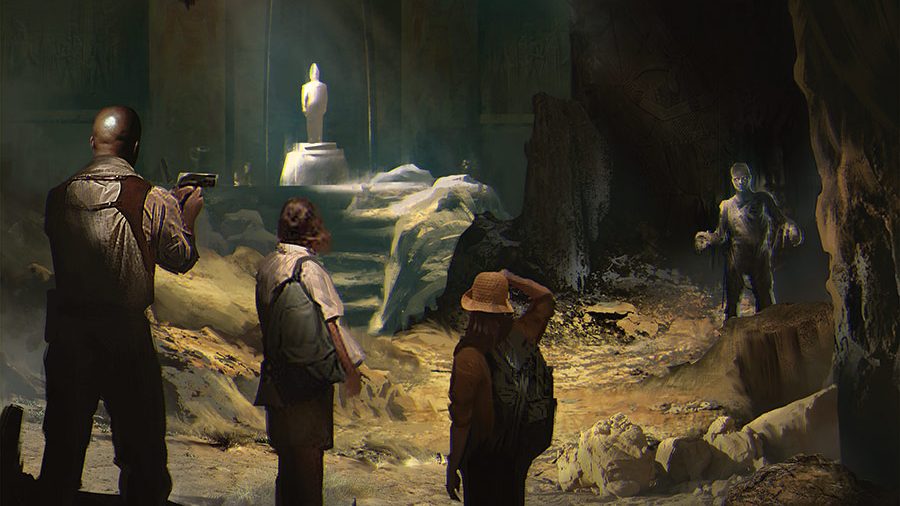
Cypher shines in dungeoneering: slowly dwindling PC resources as they press ever onward. It’s a system of attrition that can apply to any setting, but requires that the GM presents PCs with Cyphers and time-intensive challenges that make resting hard. This works especially well for horror & dungeons as those games want to strip your PCs of options to make them feel the tension. The game excels when rolls can feel life or death as the PC is literally spending life points to improve their chances of rolling well. It’s wonderful if that’s what your table wants to focus on.
However, that’s where this game loses me. I don’t like having to ham fist in a dungeon-esque scenario into my game. Plus, my players found the game a bit too forceful in keeping PCs in their lane. At my table, our tough fighter would never ever touch a social roll as that would require spending from their very limited intellect pool. All while our socially awkward wizard could easily be persuasive.
We must talk about the most controversial mechanic: GM Intrusions. I love-hate these. They’re great to allow the GM to keep the session on track. If your players are spending 10 minutes planning out how to approach a dungeon: BAM! Drop a trap or a baddie, or a tough situation that forces them to move. I adore this mechanic so much. While perhaps the GM can do this regardless (see the ‘rocks fall on you and you all die’ meme) players want that delicious XP. This makes them both expect and desire intrusion, which is great for player engagement.
The problem with GM intrusions is that the advice is to have 1 intrusion per hour of gameplay, or roughly 1 intrusion per PC, per session. This keeps the XP economy going, but forces GMs to come up with intrusions even if the game doesn’t need them. Yes, you can simply give extra XP at the end of the session to make up for it, but that will cause players to not spend XP on re-rolls and instead pump it into advancements. This is a problem, as the game expects that roughly 50% of XP will be spent on re-rolls and other non-leveling boons. I’m sure this tricky balance becomes second nature to some GMs, but I never found the balance across my 12 sessions played.
A Word on Numenera
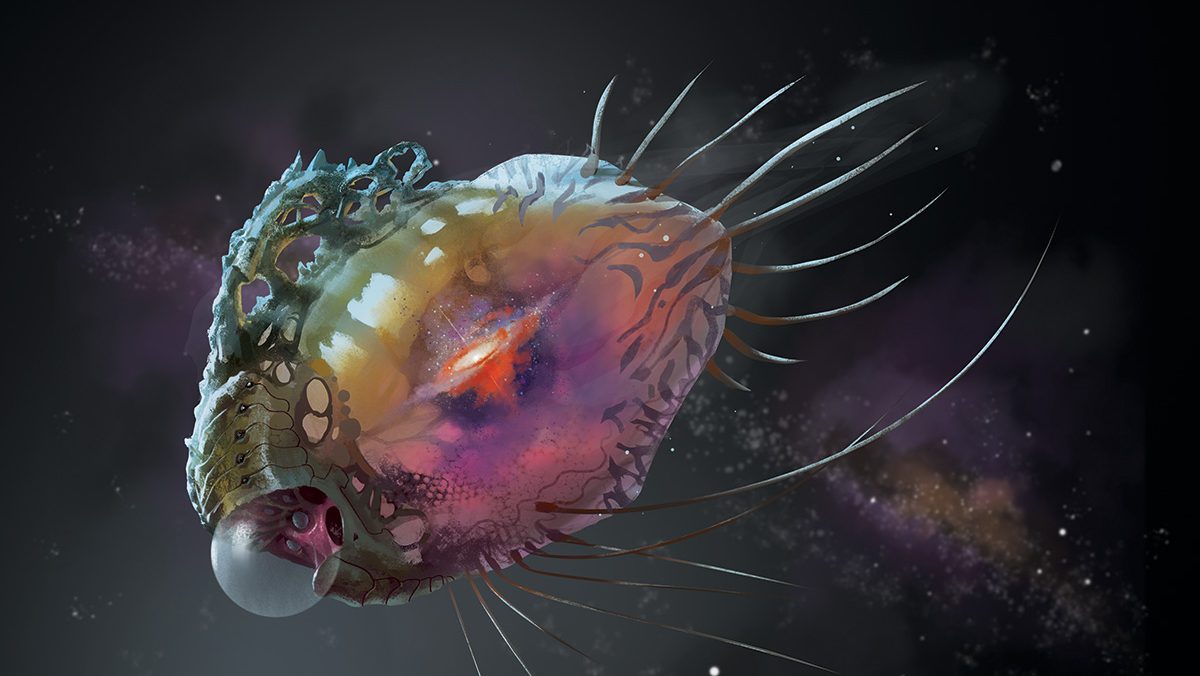
Oh Numenera, you are everything that makes a Monte Cook product: strange for strangeness’ sake. Numenera is modeled after some old fantasy settings I’ve never vibed with (looking at you, Dying World). The game is very heavy in the feeling of strange: there’s legless floating cow things, a strange dungeon that shuffles itself at random, nanite clouds that can transform or eat you, etc. It’s strange and silly, and 100% not to my taste. Why, you ask? It’s simple: Context.
For something to both ensure investment and evoke an otherworldly atmosphere, there needs to be something familiar or normal for them to contrast it with. This is why settings like Shadowrun or Horizon Zero Dawn are so incredibly enticing: it’s our world, just warped by magic and or technology. Even with fantastical worlds we place the familiar medieval tropes onto the setting, which feel normal. Numenera has none of this. It’s a scifi setting a billion years in the future, with no recognizable landmarks, magic or tropes. Nothing is familiar, and the utter lack of lore about the actual civilizations leads to a sense of odd for the sake of oddness. It lost me and lost my players too.
Pros
- Everything is a game of attrition. Regardless of if it’s exploring or explaining, players will spend pool to succeed on things. This can make even the simplest social interaction engaging.
- Character options: The game presents a plethora of character options to theory craft a build, which is fun. It ensures that no two players characters will ever result in the same build.
- Frequent Advancements: The smaller advancements typically mean each player leaves each session with their character having gotten somewhat stronger.
- Cyphers: Cyphers add an element of chaos, and when they’re useful, they can be the wildest thing.
- GM Intrusions: GMs can easily pay to keep the session rolling, which is great when everything goes off the rails or grinds to a halt. Plus, these give XP which makes players excited to see it happen.
Cons
- Everything is a game of attrition, so players fear doing things. It feels bad that your PC performing a task outside their expertise could cost 25% of their worst pool. It ensures the fighter never does think-y stuff, the rogue never touches weights, and the wizard is never sneaky, even if the plot would call for it.
- Stay in your lane: Despite having a diversity of options, the Types provide which pools you have edge in. This determines which pools they can spend easily. Meaning an intellect edge will cause you to be more likely to engage in think-y/persuasion-y tasks. If you’re not, you stay away from those tasks. This means a well-balanced party is going to have a single party member good in one kind of task, and they will not explore outside of that.
- XP Economy: GM intrusions are fun at first, but get tedious fast. It’s hard to come up with one constantly and can become a slog, especially since players want them to get XP.
- Cypher Economy: Cyphers are fun at first, but become a slog eventually. Deciding thematically appropriate Cyphers requires too much GM reading, and rolling on a table can result in insane results.
- Players Hoard XP: XP rarely spent as frequently as GMs expect, especially from min maxers.
- Shocking Rules Heavy: The game is very abstract, except for when it’s not. There are a surprising amount of rules about distance, line of sight, cover, etc. This adds a lot of unneeded crunch to the game that is otherwise pretty rules-medium.
To Taste
- Dungeon Crawl: When you look at the mechanics and Cyphers (plus Numenera as a setting) the system design leans toward having players crawl into dungeons, pick up random powerful items and have them wink out after one use. It’s not my kind of game for this reason. I am not a ‘kill things for money’ kind of player, nor am I a dungeon crawler GM.
- GM doesn’t roll: I’m a GM who enjoys my math rocks, it’s just something that’s fun to do even if it makes some games more complex/slow. I know not everyone feels this way, but after 12 sessions, I missed rolling dice.
Is Cypher for You?
Realistically, this system will live and die at your table if your group can accept the following 2 immutable features of the system: GM Intrusions and Pool attrition. I’ve discussed them above, and I’ll let you make your own decisions about them. These became deal breakers for my table, but may be the reason to pick this system for yours. There are a ton of posts on the Cypher/Numenera subreddit discussing both these points, with lots of helpful advice to be found (and plenty of unhelpful, ‘git good’ sort of advice).
Realistically, if you want a game to run a D&D module, but don’t want D&D, it’s a really good option. It is reasonably compatible with it and has a lot of good mechanics to challenge players as they make their way through a dungeon. It’s also less zany than something like Dungeon Crawl Classics, which is appealing to me.
I’ll also note that Cyphers, while the namesake of the system, are fairly optional. They’ll help the game along, but they’re not a strict requirement. I have watched Callisto 6 (a very good actual play) and they rarely had Cyphers, which really fit their setting.
What To Buy?
Monte Cook Games [Cypher DTRPG, Numenera DTRPG, Monte Cook Games]
There are around 100 products that use the Cypher System. Where do you start? To help, I’ve broken this into 2 sections depending on what you’re looking for. The fundamental question is: are you going to build your own setting? If yes, see the Custom Settings section. If not, see the Existing Settings section.
Beyond the 2 sections below, I suggest 2 additional purchases:
- Something to track XP: Whether that be the branded XP deck from MCG, tokens, or playing cards, you will want to have a physical representation of them at your table. Why you ask? It increases the rate players actually use them.
- The GM Intrusions deck: If you’re running out of ideas of what to do for intrusions, this deck is actually quite handy to come up with something to challenge your players.
Custom Setting
If you’re building your own setting, you also need to know the setting type (fantasy, superheroes, etc.).
- Cypher System Core Rulebook: Make sure you get the second edition (published in 2019). This is pretty much all you need to run a game of Cypher System. It explains the rules, has a ton of character options, cyphers, etc.
- Setting dependent: I suggest getting one of these books depending on what type of setting you’re running. They are optional, but can add additional flavor and rules to better focus your game:
- Superheroes: Buy Claim the Sky. It’s the best supplement for superheroes. It helps make the type of superhero and the setting you want.
- Swords & Sorcery Fantasy: Buy Godforsaken. It’s the best supplement for building your version of the classic D&D styled world.
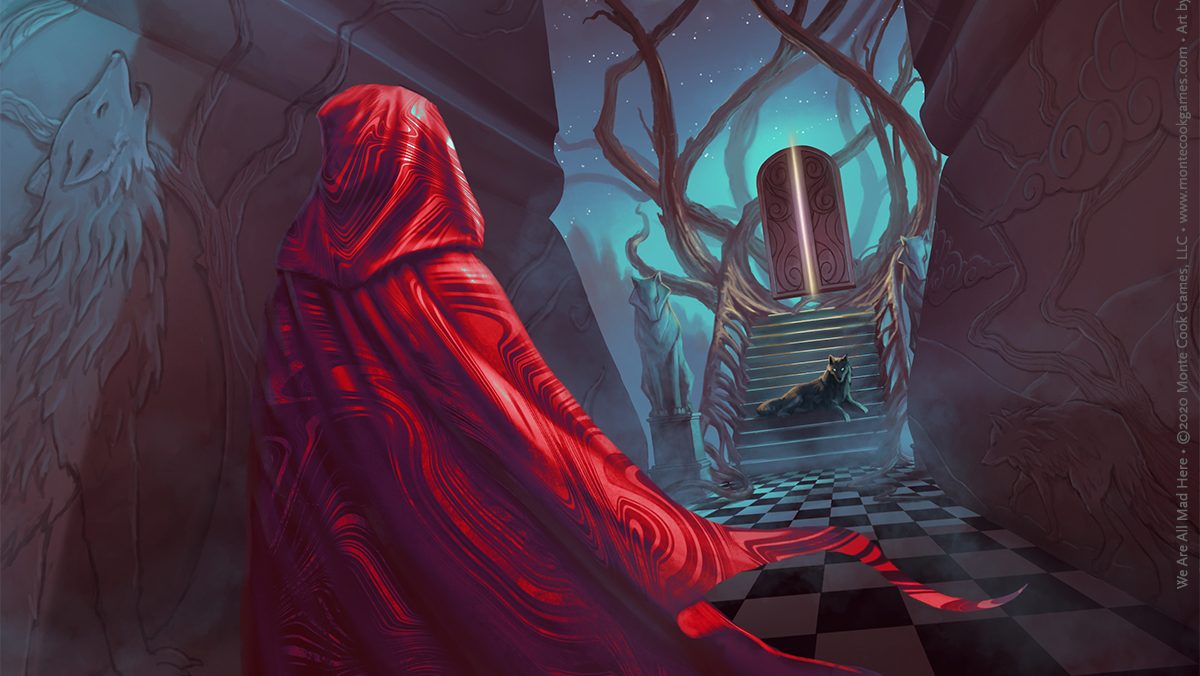
- Fairytale Fantasy: Buy We are all Mad Here, it has a very fairytale inspired vibe. I’m not a huge fan of this type of setting, but it’s got some interesting character options for being cursed, etc.
- Horror: Stay Alive
- Space Sci-fi: The Stars are Fire. This one gives you a very standard sci-fi kit that you can expand and use for anything space-y. It works less well for cyberpunk campaigns.
- Post Apocalypse: Rust and Redemption
Existing Setting
This depends heavily on what you’re interested in.
- Inspired by the Dying World: Numenera Destiny & Discovery. You only really need Discovery to play, but destiny adds 3 new classes and more player options, so it’s up to you. A note here: Numenera Discovery & Destiny is technically “Numenera 2e”. It’s compatible with the old rule set, but there are some tweaks. So just know that if you purchase any products created before 2018. In terms of supplements, I have played the free Ashes of the Sea quick start, which gives a good vibes check for the setting. It’s a very verbose adventure book, but it gives a good idea of how the game plays.
- A note on the players guide: I do not suggest this product. It’s basically just an overview of stuff already found in the discovery book, and it doesn’t even have all the character options in it. It’s an ok reference, but I think it’s a waste of money.
- Adventures and Supplements: As for the one million additional supplements and adventures, I have played a number and honestly only really suggest the Slaves of the Machine God adventure and the bestiaries. The rest are at best nice to have, and at worst add only a tiny amount of resources to the game.
- Fantasy: Ptolus is an excellent fantasy setting with lots of lore for this big city. It was Monte Cook’s home 3.5e campaign setting, so it’s got his pen all over it. There are also a ton of expansions for it if that’s your vibe. The biggest problem is to get it in print. It’s gonna cost you a lot of money.
- Horror: Old Gods Of Appalachia. I’ve not read this, but it looks good if you’re a fan of that kind of thing.
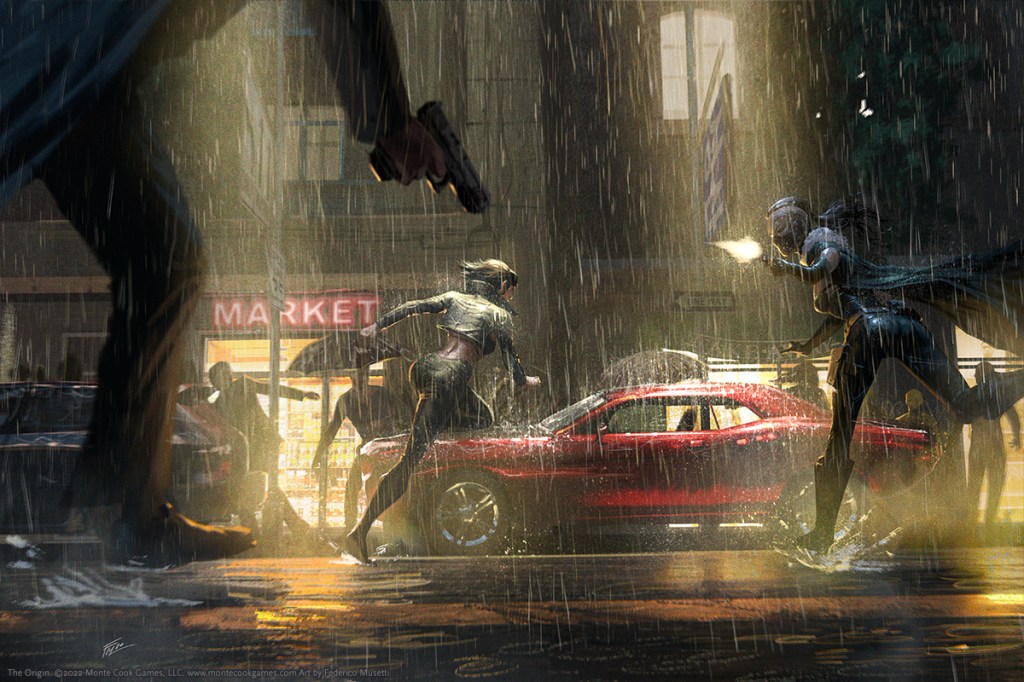
Superheroes: The Origin is … fine. It hits that X-Men vibe of hunted superheroes, but never really clicked for me.
 The Witch's Wandering Table
Leave a comment